
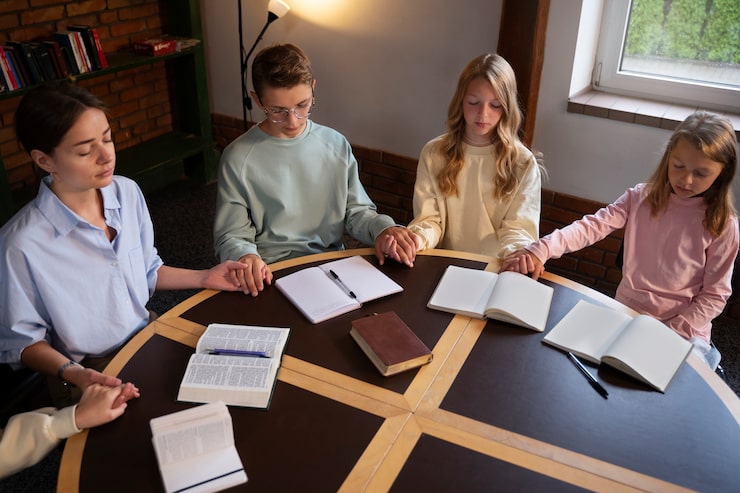
Home Bible study groups offer believers an intimate setting to explore Scripture, build relationships, and grow spiritually. These gatherings create space for authentic discussion, mutual encouragement, and practical application of biblical truths in daily life.
The Value of Studying Scripture in Homes
Meeting in homes removes the formality of larger church settings and fosters open conversation. Participants feel more comfortable asking questions, sharing struggles, and expressing doubts. This vulnerability strengthens relationships and accelerates spiritual growth.
Small group settings allow for deeper engagement with Scripture than typical Sunday services. Rather than listening passively to a sermon, participants actively discuss passages, wrestle with difficult concepts, and apply biblical principles to their specific situations. This active learning approach leads to better retention and application.
The intimacy of home gatherings mirrors the early church’s practice of meeting in houses. Acts 2:46 describes how believers broke bread in their homes and ate together with glad and sincere hearts. This model emphasizes community, hospitality, and shared spiritual life.
Essential Elements of Effective Bible Study Groups
Strong Bible studies begin with prayer, inviting God’s presence and asking for wisdom to understand His Word. Opening prayer shifts focus from daily concerns to spiritual matters and acknowledges dependence on the Holy Spirit for illumination.
Scripture reading forms the core activity. Groups might read passages aloud together, take turns reading verses, or have one person read while others follow along. Hearing God’s Word spoken adds another dimension to study and helps passages resonate more deeply.
Discussion allows participants to process what they’ve read and learn from one another. Good questions move beyond surface-level comprehension to application and life change. Leaders guide conversation without dominating, ensuring everyone has an opportunity to contribute.
Application challenges participants to live out what they’ve learned. Rather than treating Bible study as an academic exercise, groups identify specific ways to implement biblical principles throughout the coming week. This action-oriented approach produces tangible spiritual growth.
Creating a Welcoming Atmosphere
The host sets the tone through hospitality and preparation. A clean, comfortable space with adequate seating helps participants feel valued and welcome. Simple refreshments demonstrate care and create opportunities for informal conversation before and after study time.
Consistent meeting times establish reliable rhythms that fit participants’ schedules. Most groups meet weekly or bi-weekly in the evening or afternoon. Regular attendance becomes easier when meetings occur at predictable times.
Group size affects dynamics and depth of interaction. Groups of six to twelve people allow for meaningful discussion while keeping conversation manageable. Larger groups may need to divide into smaller discussion circles to ensure everyone can participate.
Selecting Study Materials & Topics
Book studies work through entire biblical books systematically. This approach provides context, reveals themes, and shows how individual passages fit into larger narratives. Participants gain a deeper knowledge of Scripture’s structure and message.
Topical studies address specific issues like prayer, faith, relationships, or spiritual gifts. These focused studies help believers apply biblical wisdom to current challenges and questions. Topical studies often draw from multiple Scripture passages and books.
Character studies examine biblical figures like Abraham, David, or Paul. By studying their lives, decisions, and relationships with God, participants learn from both their successes and failures. Character studies make Scripture personal and relatable.
Curriculum-based studies use published guides that provide structure, questions, and leader helps. Quality curricula offer theological depth, practical application, and leader training. These resources work well for new leaders or groups wanting expert guidance.
Leading Discussions That Go Deep
Preparation separates mediocre from excellent Bible studies. Leaders should study the passage beforehand, noting key themes, difficult concepts, and possible application points. This groundwork enables confident, informed facilitation.
Open-ended questions stimulate thinking and conversation. Rather than asking questions with yes-or-no answers, leaders pose questions beginning with “what,” “how,” or “why.” These questions invite exploration and multiple perspectives.
Managing dominant talkers and drawing out quiet members requires gentle skill. Leaders can directly invite quieter participants to share without putting them on the spot. They also redirect verbose participants by thanking them and inviting others to contribute.
Handling controversial topics demands wisdom and grace. When disagreements arise over interpretation or application, leaders acknowledge different viewpoints while pointing back to Scripture. They create space for discussion without allowing arguments to damage relationships.
Building Community Beyond Study Time
Fellowship extends beyond weekly meetings into daily life. Group members who develop genuine friendships provide support during crises, celebrate milestones together, and encourage one another in faith. These relationships reflect biblical community.
Service projects allow groups to live out what they’re learning. Serving together at food banks, visiting shut-ins, or supporting mission work builds unity while demonstrating Christ’s love. Shared service creates lasting memories and deepens bonds.
Social gatherings give members an opportunity to connect on a personal level. Meals, game nights, or outdoor activities let people know one another beyond spiritual discussions. These relaxed interactions strengthen the group’s relational foundation.
Prayer support unites group members through intercession. Sharing prayer requests and following up on them demonstrates care and builds trust. Many groups maintain prayer lists or online groups for ongoing communication between meetings.
Addressing Common Challenges
Inconsistent attendance disrupts continuity and hinders relationship building. Groups can address this by choosing convenient meeting times, sending reminders, and cultivating a culture where attendance matters. Knowing that life circumstances occasionally prevent attendance while expecting regular commitment balances grace with accountability.
Superficial discussions waste opportunities for real growth. When conversations remain on the surface, leaders should ask probing follow-up questions that push toward application. Creating safety for vulnerability requires time and consistent modeling from leaders.
Time management keeps studies focused and respectful of participants’ schedules. Starting and ending on time demonstrates respect. Leaders should pace discussions to cover key points without rushing or dragging.
Spiritual immaturity or relational conflict requires wise handling. Leaders address issues privately when possible, seeking restoration rather than punishment. Maintaining confidentiality protects trust while addressing problems that affect the whole group.
Multiplication & Long-Term Vision
Healthy groups eventually multiply by launching new groups. This reproduction spreads biblical learning to more people while developing new leaders. Groups might divide geographically, by life stage, or by interest to form new studies.
Leadership development prepares group members to facilitate their own studies. Current leaders can gradually transfer responsibilities, allowing emerging leaders to gain experience with support. This apprenticeship model ensures leadership quality while expanding ministry capacity.
Connecting with the larger church body prevents isolation. Home groups should complement, not replace, corporate worship and teaching. Encouraging participation in Sunday services, church events, and broader ministries maintains healthy integration.
Getting Started With Your Own Study
Beginning a home Bible study requires taking the first step of inviting others to join you. Start by praying for God to bring the right people together. Extend personal invitations to friends, neighbors, or church members who might benefit from small group study.
Choose an initial study that fits your group’s spiritual maturity and interests. Starting with a Gospel, Psalms, or a published curriculum designed for small groups works well. Select materials that generate good discussion without overwhelming participants.
Commit to consistency for at least one study cycle, typically eight to twelve weeks. This timeframe allows relationships to develop and establish group rhythms. After completing an initial study, groups can evaluate and decide if they wish to continue.
Home Bible study groups create environments where believers can grow in knowledge, develop relationships, and apply Scripture to daily life. Through regular gatherings centered on God’s Word, participants experience community and spiritual formation that impacts every area of life.